
Expert Picks For Drainage Service Tools And Accessories
Browse through carefully selected products that enhance productivity and ensure thorough drainage solutions.
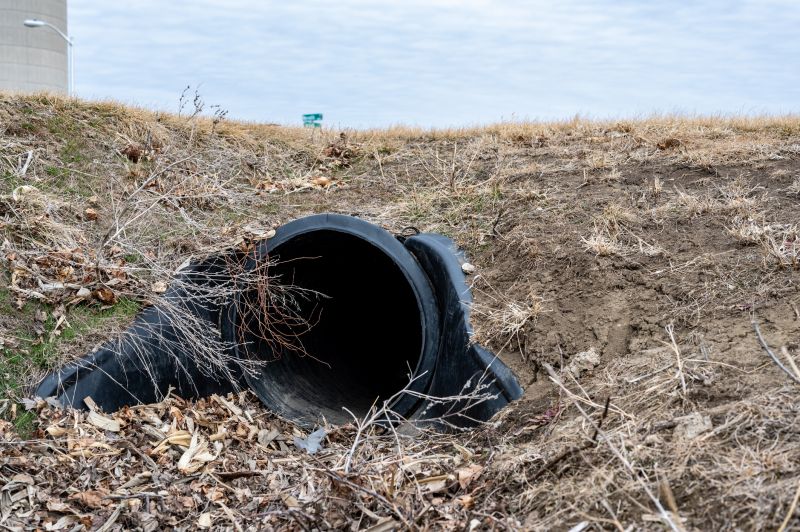 Effective drainage systems are essential for maintaining the safety and functionality of residential and commercial properties in Port Orchard, WA. Proper drainage helps prevent water accumulation that can lead to foundation issues, erosion, and other structural problems. Whether dealing with standing water in yards, clogged gutters, or blocked underground pipes, having the right products on hand can make maintenance easier and more efficient. Understanding the variety of drainage products available can help property owners select the most appropriate solutions for their specific needs.
Top Overall Option
Flexible Corrugated Drainage Pipe System
A versatile and adaptable drainage pipe system designed for various applications, including yard drainage, French drains, and foundation drainage. Its flexible construction allows for easy installation around curves and obstacles, making it suitable for complex landscapes. Durable and resistant to crushing, this system can effectively channel water away from critical areas, helping to reduce water pooling and soil erosion. Its compatibility with various fittings and connectors makes it a practical choice for both DIY projects and professional installations.
Types of Products For Drainage Service
Surface Drainage Grates
Grates designed to cover surface drains, allowing water to flow into underground pipes while preventing debris entry. Ideal for driveways, patios, and walkways.
French Drain Kits
Complete kits that include perforated pipes, gravel, and fabric to create underground drainage pathways for excess water removal.
Gutter and Downspout Extenders
Extensions that direct rainwater from gutters away from the foundation, reducing water intrusion risks.
Pipe Connectors and Fittings
Various fittings to join drainage pipes securely and create customized drainage layouts.
Catch Basins
Receptacles placed at low points to collect surface water and direct it into drainage pipes.
Drainage Pumps
Submersible or sump pumps used to remove accumulated water from basements or crawl spaces.
Pipe Sleeves and Wrapping
Protective coverings for underground pipes to prevent damage from soil movement or root intrusion.
Soil Stabilization Fabric
Geotextile fabrics used to prevent soil erosion around drainage systems and improve stability.
Drainage Channels
Pre-formed or flexible channels that direct surface water flow efficiently across landscapes.
Basement Drainage Systems
Specialized systems designed to prevent water seepage into basement areas, including perimeter drains and sump pits.
Popular Choices
Widely used for various drainage applications due to its flexibility and durability, suitable for yard and foundation drainage.
Help direct water away from the foundation, preventing erosion and water pooling near structures.
Commonly used in French drain setups, allowing water to enter the pipe while debris is filtered out.
Popular for outdoor surfaces to manage stormwater runoff effectively.
Effective for removing water from basements or crawl spaces, especially during heavy rains.
Used as a base layer in drainage systems to facilitate water flow and prevent clogging.
Affordable and easy to install, these help divert rainwater away from foundations.
Help improve surface water collection efficiency in drainage systems.
Flexible fabric tubes filled with gravel, used around pipes to prevent soil intrusion.
Applied around basement walls to prevent water seepage and protect structural integrity.
Drainage systems often involve a combination of components designed to direct water away from critical areas. From surface drains that handle runoff from roofs and driveways to subsurface pipes that channel water underground, each product plays a role in creating a comprehensive drainage plan. Proper installation and maintenance are key to ensuring these systems work effectively over time. It is also important to consider local weather conditions, soil types, and property layout when choosing drainage products.
In Port Orchard, where rainy seasons are common, investing in quality drainage products can significantly reduce water-related issues. Regular inspection and timely replacement of worn or damaged components can help maintain optimal drainage performance. Consulting with local experts or suppliers familiar with the region's climate and terrain can provide valuable insights into the most suitable products and configurations. Overall, selecting the right drainage products can contribute to the longevity and safety of a property, helping to mitigate water-related damages and preserve property value.
Key Buying Considerations
- Identify the specific drainage problem you need to address, such as surface runoff, underground water, or basement seepage.
- Assess the size and scope of the area requiring drainage to determine the appropriate product capacity and length.
- Consider the soil type and terrain, as some systems perform better in sandy, clay, or loamy soils.
- Evaluate the durability and material quality of the products to ensure long-term performance under local weather conditions.
- Check compatibility of fittings and connectors for seamless installation and system integrity.
- Determine whether you need flexible or rigid piping based on landscape contours and installation complexity.
- Review local building codes and regulations related to drainage system installation and modifications.
- Consider ease of installation, especially if undertaking a DIY project, and whether professional assistance might be necessary.
- Think about maintenance requirements and accessibility for cleaning or repairs over time.
- Budget for both initial purchase and ongoing maintenance or replacement parts.
- Look for products with good drainage capacity to effectively manage heavy rain or runoff events.
- Ensure the system components are resistant to corrosion, crushing, and root intrusion.
- Evaluate the availability of replacement parts and accessories for future upgrades or repairs.
- Consider environmental factors, such as nearby trees or landscaping, that might influence system placement.
- Prioritize products with clear installation instructions or customer support options.